

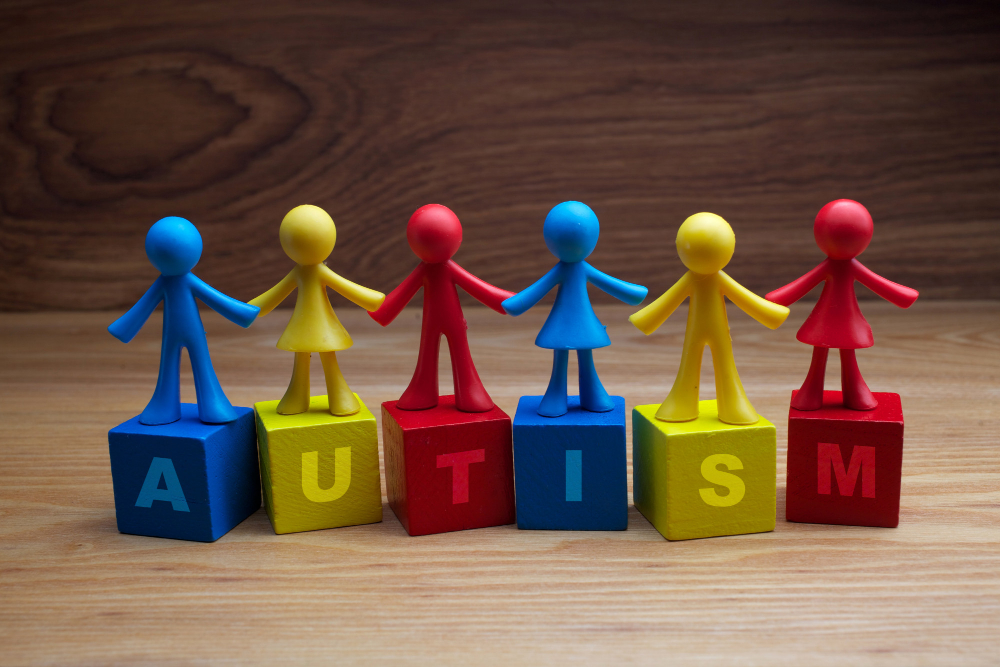
What is Autism?
Autism in children is a brain-based condition. It affects how a child talks, learns, and interacts with others. Often, it is called autism spectrum disorder (ASD). Because it is a spectrum, each child may show different signs. Some children need more help than others. According to the CDC, autism in children usually appears before age three. Early signs of autism can be seen in how a child plays, speaks, or behaves.
Common Symptoms of Autism in Children
Children with autism may show a range of symptoms. However, not every child will have the same signs. Early signs of autism often appear by age two. For example, you may notice:Limited eye contact or not responding to their nameDelayed speech or language skillsRepeating words or phrases (echolalia)Strong interest in certain topics or objectsUnusual reactions to sounds, smells, or texturesDifficulty with changes in routineProblems making friends or playing with others
Sometimes, children may also show repetitive movements, like hand-flapping or rocking. If you notice these signs, it is important to talk to your doctor.
Causes and Risk Factors
Experts do not know the exact cause of autism in children. However, research shows that both genes and environment play a role. For instance, some risk factors include:Having a family member with autismOlder parents at the time of birthCertain genetic conditions, like fragile X syndromeLow birth weight or premature birth
Still, most children with these risk factors do not develop autism. Importantly, vaccines do not cause autism. This is confirmed by many studies from the WHO and CDC.
How Autism is Diagnosed
The autism diagnosis process involves several steps. First, doctors look for early signs of autism during regular check-ups. If there are concerns, they may refer your child to a specialist. The process may include:Watching how your child plays and communicatesAsking about your child’s development and behaviorUsing checklists or screening toolsSometimes, doing hearing or speech tests
Because there is no single test for autism, doctors use many tools. Early diagnosis helps children get the support they need sooner.
Treatment and Support Options
There is no cure for autism in children, but many autism treatment options can help. Early support makes a big difference. Some common treatments include:Speech and language therapyBehavioral therapy, such as Applied Behavior Analysis (ABA)Occupational therapy to build daily skillsSocial skills trainingSpecial education programs at school
Sometimes, doctors may suggest medicine for certain symptoms. However, therapy and support are the main treatments. Families can also find help through autism support for families groups and community programs.
Tips for Parents and Caregivers
Caring for a child with autism can feel overwhelming. Yet, there are many ways to help your child thrive. For example:Keep a daily routine to help your child feel safeUse clear, simple language when talkingCelebrate small successes and progressWork closely with teachers and therapistsJoin support groups to connect with other familiesTake care of your own well-being, too
Remember, every child is unique. What works for one child may not work for another. Stay patient and seek help when needed.
Prevention and Early Intervention
Currently, there is no known way to prevent autism in children. However, early intervention can improve outcomes. If you notice early signs of autism, seek help right away. Early support can help your child learn important skills. For instance, starting therapy before age three often leads to better progress. Regular check-ups and open talks with your doctor are key. Early action gives your child the best chance to reach their full potential.
In summary, understanding autism in children helps families find the right support. If you have concerns, do not wait. Consult a pediatric specialist Dr. Mohit Kumar MENAGE for personalized guidance on autism in children.