

Introduction
Reflex integration is a key part of your child’s early development. It helps children move, learn, and grow. Sometimes, certain reflexes do not develop as they should. When this happens, your child may show signs your child may need reflex integration support. Recognizing these signs early can make a big difference. Early support can help your child reach their full potential. In this blog, you will learn what reflex integration is, why it matters, and how to spot signs that your child may need help.
What Is Reflex Integration?
Reflexes are automatic movements that babies are born with. For example, when you touch a baby’s cheek, they turn their head to suck. These are called primitive reflexes. Over time, most reflexes fade as the brain develops. This process is called reflex integration. However, if reflexes do not fade, they can affect how your child moves and learns. Reflex integration support helps children develop these skills.
Why Is Reflex Integration Important for Children?
Reflex integration is important for many reasons. First, it helps children control their bodies. Second, it supports learning and attention. When reflexes remain active, children may struggle with balance, focus, or even behavior. Therefore, proper reflex integration supports healthy growth and school success. According to the CDC and pediatric experts, early support can improve outcomes for children with reflex challenges.
Common Signs Your Child May Need Reflex Integration Support
It is important to watch for certain signs. If you notice these, your child may benefit from reflex integration support:Poor balance or frequent falls: Your child may trip or fall more than others their age.Trouble sitting still: Some children fidget or squirm often.Delayed motor skills: For example, your child may have trouble holding a pencil or tying shoes.Sensitivity to touch or sound: Your child may dislike certain clothes or loud noises.Difficulty with focus: They may have trouble paying attention at school or home.Poor posture: Slouching or leaning can be a sign.Emotional outbursts: Some children get upset easily or have trouble calming down.Trouble with coordination: For instance, they may struggle with sports or playground games.
How to Identify Reflex Integration Issues at Home
At home, you can watch your child during daily activities. For example, notice how they walk, run, or play. Do they avoid certain movements? Do they get tired quickly? Also, pay attention to how they react to touch or noise. If you see several signs, it may be time to look for support. Keeping a simple journal of your child’s behaviors can help track changes over time.
When to Seek Professional Help
Sometimes, signs are mild and improve with time. However, if problems continue or get worse, you should seek help. For instance, if your child struggles in school or daily life, talk to your doctor. Pediatricians, occupational therapists, and child development specialists can assess your child. They use simple tests to check reflexes and suggest next steps. Early help can make a big difference in your child’s progress.
Support Strategies and Next Steps
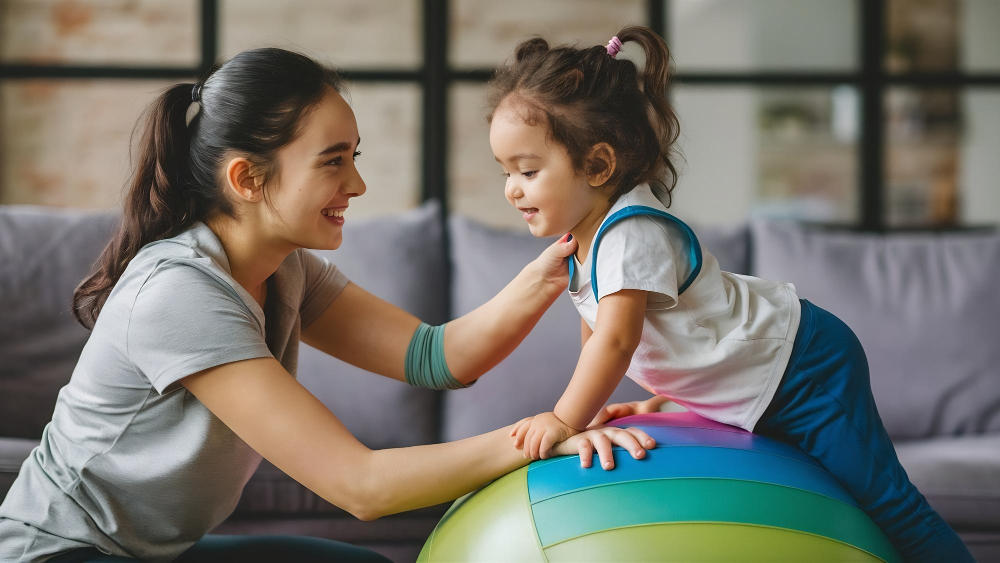
There are many ways to support your child. First, follow your doctor’s advice. Second, occupational therapy can help children with reflex integration. Therapists use fun exercises to improve movement and focus. At home, you can encourage active play, such as jumping, climbing, or crawling. These activities help the brain and body work together. In addition, keep a routine to help your child feel safe and calm.
Prevention and Early Intervention Tips
Early action is key. Here are some tips to help prevent reflex issues:Encourage tummy time for babies to build strength.Let children play outdoors and try new movements.Limit screen time and promote hands-on play.Watch for signs and talk to your doctor if you have concerns.Support your child’s emotional needs with patience and praise.
With early support, many children overcome reflex challenges and thrive.
Conclusion
Recognizing the signs your child may need reflex integration support is important for healthy growth. If you notice these signs, consult the best pediatric specialist Dr. Mohit Kumar MENAGE for personalized guidance. Early help can set your child on the path to success.