

What Is Pragmatic Language Therapy?
Pragmatic language therapy helps children improve their social communication skills. This therapy teaches kids how to use language in real-life situations. For example, children learn how to start conversations, take turns, and understand body language. Many parents search for “pragmatic language therapy for children” or “pragmatic language therapy near me” when they notice social challenges. Early support can make a big difference.
Why Social Communication Skills Matter in Children
Social communication skills help children connect with others. These skills allow kids to share ideas, ask for help, and make friends. Because strong social skills build confidence, children feel more comfortable in groups. In addition, good communication helps kids succeed in school and daily life.
Common Signs of Pragmatic Language Difficulties
Some children struggle with social communication. You might notice these signs:Difficulty starting or joining conversationsTrouble taking turns while talkingNot understanding jokes or sarcasmUsing language that seems odd or out of placeMissing social cues, like facial expressions or tone of voiceTalking too much about one topic
However, every child is different. If you see several of these signs, consider seeking advice.
Causes and Risk Factors
Several factors can lead to pragmatic language difficulties. For instance, some children may have:Autism spectrum disorder (ASD)Developmental language disorderHearing lossBrain injuryGenetic conditions
Sometimes, the cause is not clear. But early support can help children improve.
How Pragmatic Language Therapy Works
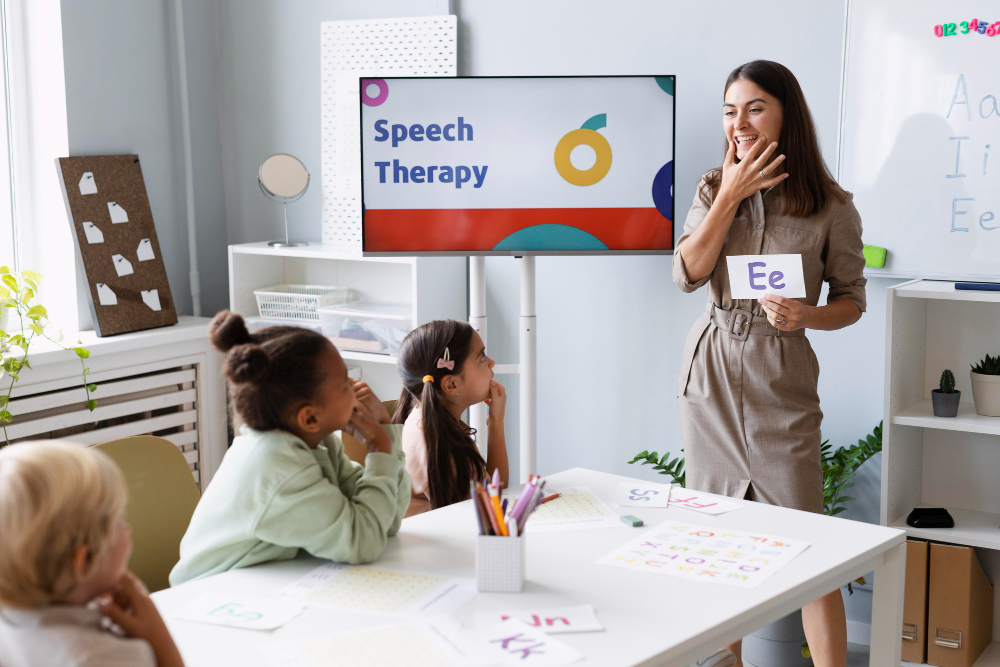
Speech-language therapists use many methods to help children. First, they assess the child’s strengths and needs. Then, they create a plan tailored to each child. Therapy often includes fun activities, games, and role-playing. As a result, children practice real-life social situations in a safe space.
Key Strategies Used in Therapy
Therapists use several strategies to build social communication skills in kids. Some common methods include:Modeling correct social behaviorPracticing greetings and farewellsTeaching how to ask and answer questionsRole-playing different social scenariosUsing visual aids, like pictures or story cardsGiving feedback and encouragement
Moreover, therapists may work one-on-one or in small groups. This helps children learn from both adults and peers.
Benefits of Early Intervention
Early intervention leads to better outcomes. When children get help early, they build stronger social skills. This can boost their confidence and help them form friendships. According to the CDC, early support can also improve school performance and reduce frustration.
Tips for Parents and Caregivers
Parents and caregivers play a key role in supporting children. Here are some helpful tips:Encourage your child to talk about their dayPractice turn-taking during family conversationsUse simple language and clear instructionsModel good listening and eye contactRead stories together and discuss the characters’ feelings
Additionally, praise your child for trying new social skills.
Prevention and Support at Home and School
Both home and school environments matter. Teachers and parents can work together to support children. For example, teachers can:Encourage group activities in classProvide clear rules for social behaviorOffer gentle reminders about taking turns
At home, families can play games that involve sharing and teamwork. Together, these steps help children practice social communication every day.
When to Consult a Specialist
If you notice ongoing social communication problems, it is wise to seek help. A pediatric speech-language specialist can assess your child’s needs. Early support can make a big difference. Do not wait if you have concerns about your child’s social skills.
For personalized guidance on pragmatic language therapy, consult a pediatric speech-language specialist What Is Pragmatic Language Therapy?
Pragmatic language therapy helps children improve their social communication skills. This therapy teaches kids how to use language in real-life situations. For example, children learn how to start conversations, take turns, and understand body language. Many parents search for “pragmatic language therapy for children” or “pragmatic language therapy near me” when they notice social challenges. Early support can make a big difference.
Why Social Communication Skills Matter in Children
Social communication skills help children connect with others. These skills allow kids to share ideas, ask for help, and make friends. Because strong social skills build confidence, children feel more comfortable in groups. In addition, good communication helps kids succeed in school and daily life.
Common Signs of Pragmatic Language Difficulties
Some children struggle with social communication. You might notice these signs:Difficulty starting or joining conversationsTrouble taking turns while talkingNot understanding jokes or sarcasmUsing language that seems odd or out of placeMissing social cues, like facial expressions or tone of voiceTalking too much about one topic
However, every child is different. If you see several of these signs, consider seeking advice.
Causes and Risk Factors
Several factors can lead to pragmatic language difficulties. For instance, some children may have:Autism spectrum disorder (ASD)Developmental language disorderHearing lossBrain injuryGenetic conditions
Sometimes, the cause is not clear. But early support can help children improve.
How Pragmatic Language Therapy Works
Speech-language therapists use many methods to help children. First, they assess the child’s strengths and needs. Then, they create a plan tailored to each child. Therapy often includes fun activities, games, and role-playing. As a result, children practice real-life social situations in a safe space.
Key Strategies Used in Therapy
Therapists use several strategies to build social communication skills in kids. Some common methods include:Modeling correct social behaviorPracticing greetings and farewellsTeaching how to ask and answer questionsRole-playing different social scenariosUsing visual aids, like pictures or story cardsGiving feedback and encouragement
Moreover, therapists may work one-on-one or in small groups. This helps children learn from both adults and peers.
Benefits of Early Intervention
Early intervention leads to better outcomes. When children get help early, they build stronger social skills. This can boost their confidence and help them form friendships. According to the CDC, early support can also improve school performance and reduce frustration.
Tips for Parents and Caregivers
Parents and caregivers play a key role in supporting children. Here are some helpful tips:Encourage your child to talk about their dayPractice turn-taking during family conversationsUse simple language and clear instructionsModel good listening and eye contactRead stories together and discuss the characters’ feelings
Additionally, praise your child for trying new social skills.
Prevention and Support at Home and School
Both home and school environments matter. Teachers and parents can work together to support children. For example, teachers can:Encourage group activities in classProvide clear rules for social behaviorOffer gentle reminders about taking turns
At home, families can play games that involve sharing and teamwork. Together, these steps help children practice social communication every day.
When to Consult a Specialist
If you notice ongoing social communication problems, it is wise to seek help. A pediatric speech-language specialist can assess your child’s needs. Early support can make a big difference. Do not wait if you have concerns about your child’s social skills.
For personalized guidance on pragmatic language therapy, consult a pediatric speech-language specialist Dr. Mohit Kumar MENAGE .